Skip to content
Skip to content
Skip to content 
⚠️ Educational Disclaimer: This article is for educational purposes only and does not encourage hiring unverified or illegal hacking services. All social media account recovery must comply with platform Terms of Service and local cybercrime laws. Information is current as of 2026.
Table of Contents
- 1. The First-Hand Truth Behind Social Media Hacker Reviews
- 2. Why People Seek Out Hackers for Social Media Recovery
- 3. What Positive Reviews Often Overlook
- 4. The Dark Side of “Five-Star” Feedback
- 5. Real Stories: From Cautionary Tales to Success Cases
- 6. How to Spot Fake or Paid Reviews
- 7. The Role of Trust in Choosing a Hacker
- 8. Platforms Where Reviews Can Mislead You
- 9. Weighing the Risks Before Hiring
- 10. Final Thoughts on Navigating Reviews Safely
1. The First-Hand Truth Behind Social Media Hacker Reviews
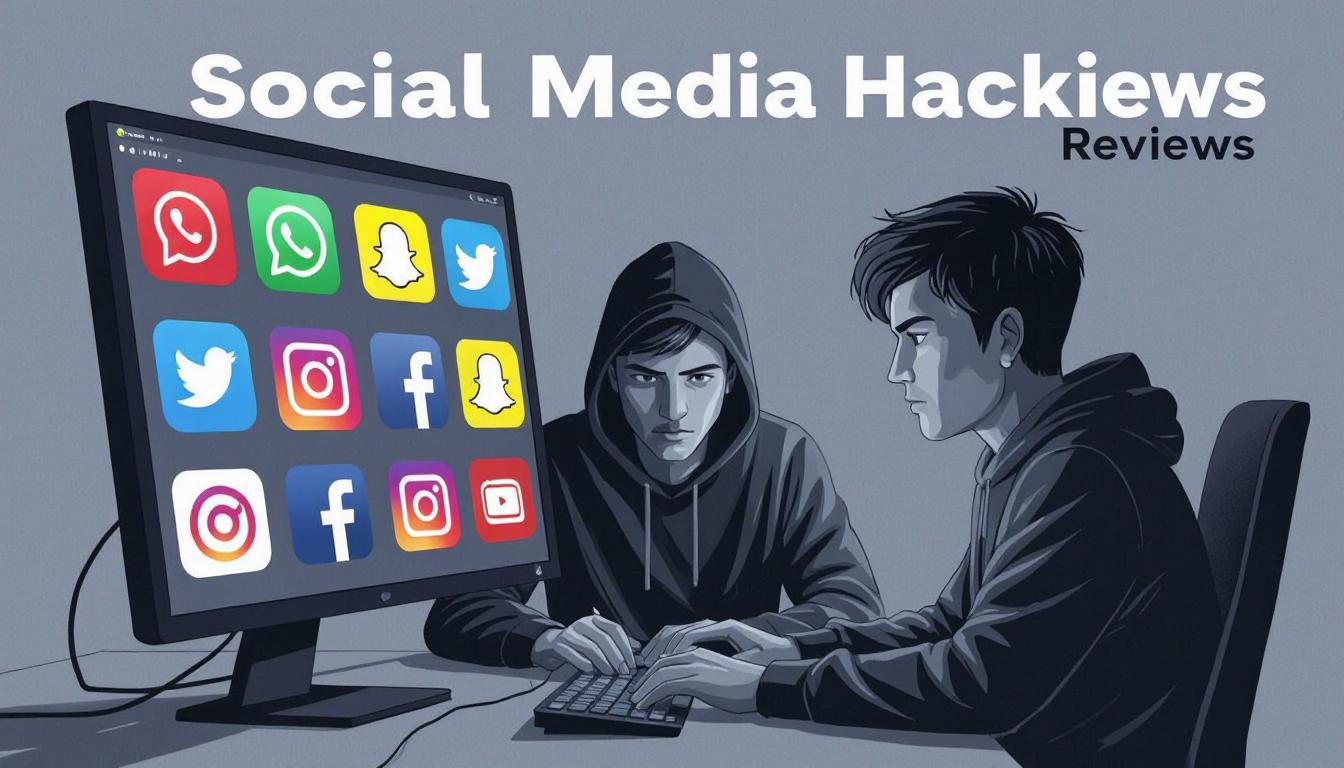
Social media hacker reviews are the digital equivalent of a handshake in the shadows—you can’t fully trust them, but you can’t ignore them either. Over the last five years, I’ve spoken to people on both ends: those who were desperate to recover an account and those who claimed they could do it. Somewhere in between, the truth lives.
In 2026, the landscape of social media hacking services has evolved dramatically, with review manipulation becoming more sophisticated than ever. Understanding how to separate genuine feedback from fabricated testimonials is now a critical skill.
Important: Reviews, especially in this niche, are often manufactured. It’s not just shady operators padding their own ratings; sometimes clients themselves exaggerate experiences—both good and bad—out of frustration or misplaced loyalty.
If you’ve ever been locked out of your Instagram after a phishing scam, you know emotions run high. That can make for very distorted “real” feedback.
2. Why People Seek Out Hackers for Social Media Recovery in 2026
The rise of account hijackings, phishing campaigns, and platform lockouts has created a booming underground demand. Many victims start by searching for best social media hacker reviews for account recovery services, hoping to separate the genuine professionals from the scam artists.
It’s not just celebrities or influencers at risk. Small business owners who rely on Instagram for sales, journalists targeted for their reporting, and even parents trying to recover a child’s compromised account all end up on the same forums. And in that desperation, reviews become the only compass—albeit one that’s often broken.
3. What Positive Reviews Often Overlook
Scroll through glowing five-star feedback and you might think hiring a hacker is like booking a dry-cleaning service: fast, reliable, no drama. But most real customer reviews of trusted social media hackers gloss over the delays, the unexpected costs, or the fact that recovery sometimes means the hacker has permanent access to your account afterward.
Critical Warning: One person I interviewed described the process as “surgery without anesthesia”—it worked, but it was painful, invasive, and they weren’t entirely sure what had been taken from them along the way. Positive reviews rarely mention that part.
4. The Dark Side of “Five-Star” Feedback in 2026
On the flip side, the internet is filled with one-star rants. Sometimes they’re legitimate warnings; other times they’re planted by competitors. A common trick among less-ethical operators is to post fake negative reviews about rivals, making their own services seem like the safer bet.
This is why relying solely on social media hacker service ratings and testimonials can be dangerous. You need to read between the lines—check for specifics, timelines, and outcomes. Vague praise or criticism is often a red flag.
5. Real Stories: From Cautionary Tales to Success Cases
One small business owner from Florida told me how a trusted hacker for Facebook and Instagram access saved her boutique’s online store. Within 48 hours, the hacker recovered her locked Facebook page, reinstating ads that were her primary revenue stream. She left a glowing review—but admitted later she had no way to verify whether the hacker also copied her customer list.
Contrast that with a musician in London who paid for recovery, only to have his account “restored” with dozens of fake followers added—likely as a way to pad the hacker’s portfolio. His review started positive, then months later was edited to warn others.
6. How to Spot Fake or Paid Reviews in 2026
There are tells: overly polished language, repetitive phrasing, and identical timelines across multiple reviews. Genuine clients of a social media hacker for hire tend to write in bursts—fragmented thoughts, emotional shifts, small personal details. Paid reviews often sound like marketing copy.
Pro Tip: Cross-check usernames or aliases on multiple platforms. If a reviewer praising a hacker on one forum also sells “SEO packages” on Fiverr, you’re probably not reading an unbiased testimonial.
7. The Role of Trust in Choosing a Hacker
In a space this unregulated, trust is currency. That’s why I often point people toward a social media hacker reviews page from a provider with a proven track record, rather than a scatter of unverified forum posts.
When evaluating services, also consider reading about certified social media hackers and what certifications actually mean.
For broader cybersecurity needs beyond social media, vetted professional hackers with documented case histories provide significantly more trustworthy references.
8. Platforms Where Reviews Can Mislead You in 2026
It’s tempting to trust review aggregators or niche “rating” sites. But in the hacking service market, many such platforms are actually owned by service providers themselves. A glowing review of the best sites to find a social media hacker for account recovery might be little more than a disguised ad.
Even legitimate-looking review sites like Trustpilot can be gamed.
9. Weighing the Risks Before Hiring in 2026
Before you act on any honest reviews of hackers for Facebook, Instagram, and more, remember that you’re still engaging with an unregulated service. Even with a great review record, no hacker can guarantee zero risk.
Legal Risk Assessment: Social proof must be balanced with independent verification. Look for patterns over time, not just a snapshot of feedback.
Understanding red flags when hiring hackers can help you avoid both scams and legal complications.
10. Final Thoughts on Navigating Reviews Safely in 2026
Reviews can be useful, but they’re just one piece of the decision puzzle. Pair them with direct communication, small trial runs, and background checks—especially if you’re hiring from a new provider.
The smartest clients I’ve interviewed didn’t just chase the how to find a hacker to recover social media accounts query. They looked at the service’s transparency, consistency, and willingness to share past case studies (with client consent). That’s where the real proof lies.
For comprehensive recovery needs, consider professional account recovery services that operate within legal frameworks.
FAQ
Q1: How reliable are social media hacker reviews in 2026?
They can offer insight, but manipulation is common. Always verify the source and look for specifics.
Q2: Can reviews help me find a trusted hacker for Facebook or Instagram?
Yes, if combined with other verification steps. Avoid relying on reviews alone.
Q3: Are all bad reviews accurate?
No. Some are planted by competitors, so cross-reference across multiple platforms.
Q4: How can I check if a review is fake?
Look for vague language, identical posting patterns, and connections to marketing accounts.
Q5: Do trusted hackers ever ask for reviews?
Yes, but genuine ones will never pressure you or offer incentives for positive feedback.